Data center
What is colocation?
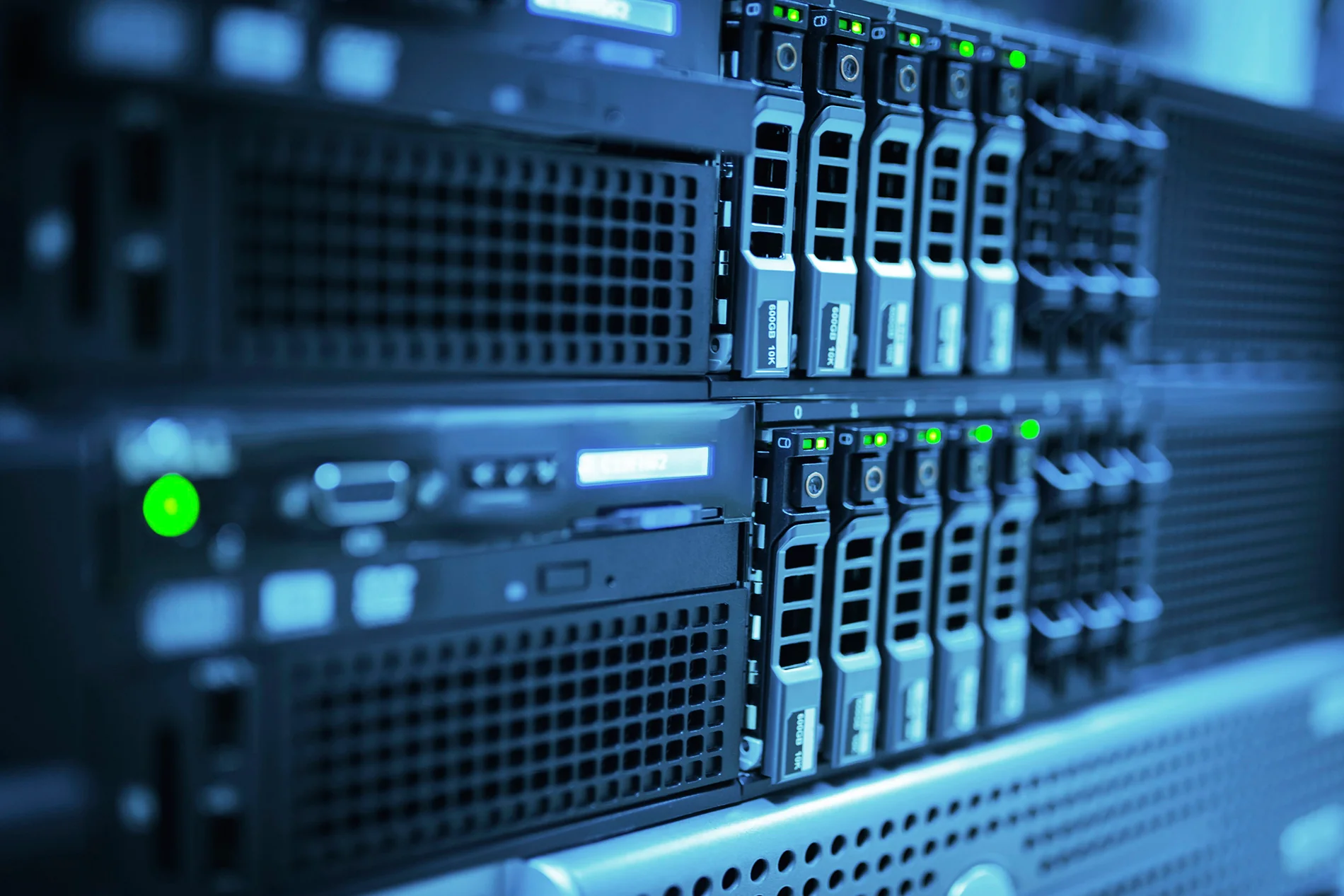
Colocation means housing your own servers or network gear in a professional data center’s cabinets, power and internet. You keep the hardware; the operator runs the facility and backbone.
When to choose it
Use colocation when licensing, regulation or specialized hardware keeps you off public cloud—or when you want to leave office server-room risk behind.
Small U needs fit shared cabinets; growing fleets usually move to full 42U racks or dedicated space.
What drives cost
Port speed, monthly traffic or unmetered capacity, power (amps), IP blocks and optional firewall/DDoS protection set the invoice. Looking only at “rack rent” is misleading.
SLA, remote-hands time and multi-carrier access are part of total cost of ownership.
DGN colocation
Our Bursa facility supports rackmount and ATX housing with redundant power and a Juniper-based network. See the colocation and pricing pages for packages.
Listing cabinet layout, PDU, KVM and cross-connect needs early shortens move-in day.
Colocation or dedicated?
Own and manage the hardware → colocation. Avoid CapEx → dedicated. Both can share the same power and network backbone.
Hybrid works too: critical appliances in colo, scaling app tiers on dedicated or cloud.
Quick answers
What is the minimum footprint?
From single U to full cabinets and secure cages—see the colocation page.
Can I bring my own switch?
Yes; plan ports and peering ahead of time.
Installation help?
On-site engineers help with racking and first connect; scope is set in the quote.